
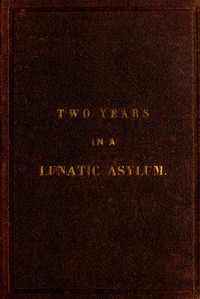
Two years and four months in a lunatic asylum : from August 20th, 1863 to…
Hiram Chase’s book is exactly what the title promises: a detailed journal of his time inside the Utica State Lunatic Asylum in New York, starting in August 1863. He begins by calmly stating he is of sound mind, then walks us through the bewildering process of his commitment. The story unfolds through his daily observations—the routines, the other patients, the treatments (which range from benign to brutal), and his endless, frustrating efforts to plead his case to doctors, judges, and anyone who will listen.
The Story
This isn't a novel with a traditional plot; it's a real-life prison break story of the mind. Chase documents everything. He describes the food, the crowded wards, the moments of kindness from some attendants and the cruelty of others. He writes letters, files petitions, and tries to logically argue his freedom, only to be met with diagnoses that label his very protests as symptoms of his 'mania.' The central drama is this relentless, quiet battle between one man's perception of himself and the absolute authority of an institution that has the power to define his reality.
Why You Should Read It
What got me was Chase's voice. He writes with a clear, reasoned, and often heartbreaking dignity. Even when describing fear or injustice, his tone is measured, which makes his situation feel even more terrifying. You are right there with him, feeling the claustrophobia of the walls and the even tighter trap of his diagnosis. It forces you to think hard about how we define 'sanity' and who gets to decide. This book strips away the historical distance and shows you the human cost of old medical practices. It’s not just about the past; it makes you look at our own systems of mental health and justice with new, questioning eyes.
Final Verdict
This is a must-read for anyone who loves real historical diaries, true crime stories about institutional power, or personal narratives that challenge authority. It’s perfect for history buffs who want to move beyond dates and facts to feel the texture of a lived experience. If you enjoyed the tense, psychological feel of memoirs like 'Ten Days in a Mad-House' by Nellie Bly, you'll be glued to Chase's account. Fair warning: it’s a heavy read at times, but it’s also a powerful and unforgettable one. You won't look at the word 'lunatic' the same way again.
No rights are reserved for this publication. It is available for public use and education.
Ava Hernandez
1 year agoI had low expectations initially, however the storytelling feels authentic and emotionally grounded. I couldn't put it down.
Sarah Flores
1 year agoEssential reading for students of this field.







Anthony King
3 weeks agoI have to admit, the narrative structure is incredibly compelling. Exactly what I needed.