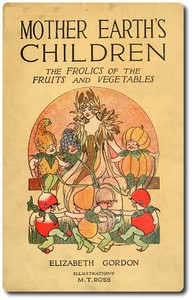
Mother Earth's Children: The Frolics of the Fruits and Vegetables by Gordon
Published in 1914, Mother Earth's Children is not a single novel but a series of short, poetic tales. Elizabeth Gordon personifies the fruits, vegetables, and flowers in a garden, giving each one a distinct character and a simple story to tell.
The Story
There isn't one overarching plot. Instead, each chapter focuses on a different plant. We meet the vain Strawberry who learns that true beauty isn't just skin-deep, the adventurous String Bean who dreams of travel, and the loyal little Carrots who stick together. The 'frolics' in the title are exactly that—gentle adventures, small lessons, and playful interactions between these living foods. They have conversations, face tiny challenges like bad weather or curious insects, and celebrate the simple joys of sunshine and rain. The book paints a picture of a harmonious, bustling community right under our feet.
Why You Should Read It
This book is a delightful escape. In our busy, often cynical world, there's something genuinely refreshing about its innocence. Gordon's love for nature and her playful imagination shine on every page. It’s not about complex morals; it’s about kindness, courage, and cheerfulness. Reading it feels like listening to a kindly grandparent tell stories—it's soothing and sparkles with a quiet magic. The real charm is how it invites you to see the everyday world with playful eyes. You'll never look at a head of lettuce or a basket of berries the same way again.
Final Verdict
This is a perfect book for anyone who loves classic children's literature, enjoys whimsy, or is feeling a bit worn out by modern life. It's ideal for reading aloud to young children, as the language is beautiful and the lessons are gentle. For adult readers, it's a wonderful piece of literary nostalgia—a sweet, short visit to a simpler time. If you're a gardener, you'll get an extra kick out of it. Just don't expect high-stakes drama; come for the charm, stay for the smile it will put on your face.
The copyright for this book has expired, making it public property. It is available for public use and education.